November is National Family Caregivers Month. Family caregivers are those who provide support to a family member who is experiencing a chronic health condition that impairs their daily functioning. Caregivers provide a multitude of support, including but not limited to feeding, bathing, aiding mobility, managing medications, transportation, and providing emotional support to those they care for. While caregiving can be quite fulfilling, it is also physically, emotionally, and financially demanding.
There is a substantial need for caregiving. According to AARP and the National Alliance for Caregiving (2025), approximately 63 million Americans currently provide care to an adult or child with a complex medical condition or disability. Nearly one-third of these caregivers are part of the “sandwich generation,” meaning they are simultaneously caring for children and adults. These overlapping responsibilities can make it difficult to balance employment, personal relationships, household responsibilities, and individual well-being. According to the Rosalynn Carter Institute, approximately one third of caregivers have left their jobs at some point due to caregiving responsibilities (2022).

While caregiving impacts individuals across all backgrounds, women disproportionately carry the responsibilities. Approximately three out of five family caregivers are women (AARP & National Alliance for Caregiving, 2025). The recent Saturday Night Live Sketch titled “Sister” theatrically highlighted the disparity in caregiving responsibilities falling on women (Freydkin, D, 2026). There has been a lot of discourse in light of the video regarding implications of poor mental health outcomes, managing multiple responsibilities and lacking financial and personal support being of concern for female caregivers.
The RAISE Family Caregivers Act, established in 2018 identifies areas in which communities, providers, and the government can support family caregivers (Administration for Community Living, n.d.). One of the goals of the act is to promote stronger support for family centered care in healthcare and service settings to amplify the voice of the caregiver and ensure they are included throughout assessment, and service planning. Additionally the act provided increased support for education, training, referrals and care coordination as well as respite options. The Caregiver Action Network provides resources and educational material for caregivers (Caregiver Action Network, n.d.). They offer specific resources organized by conditions for specialized care support as well as a helpline for caregivers.
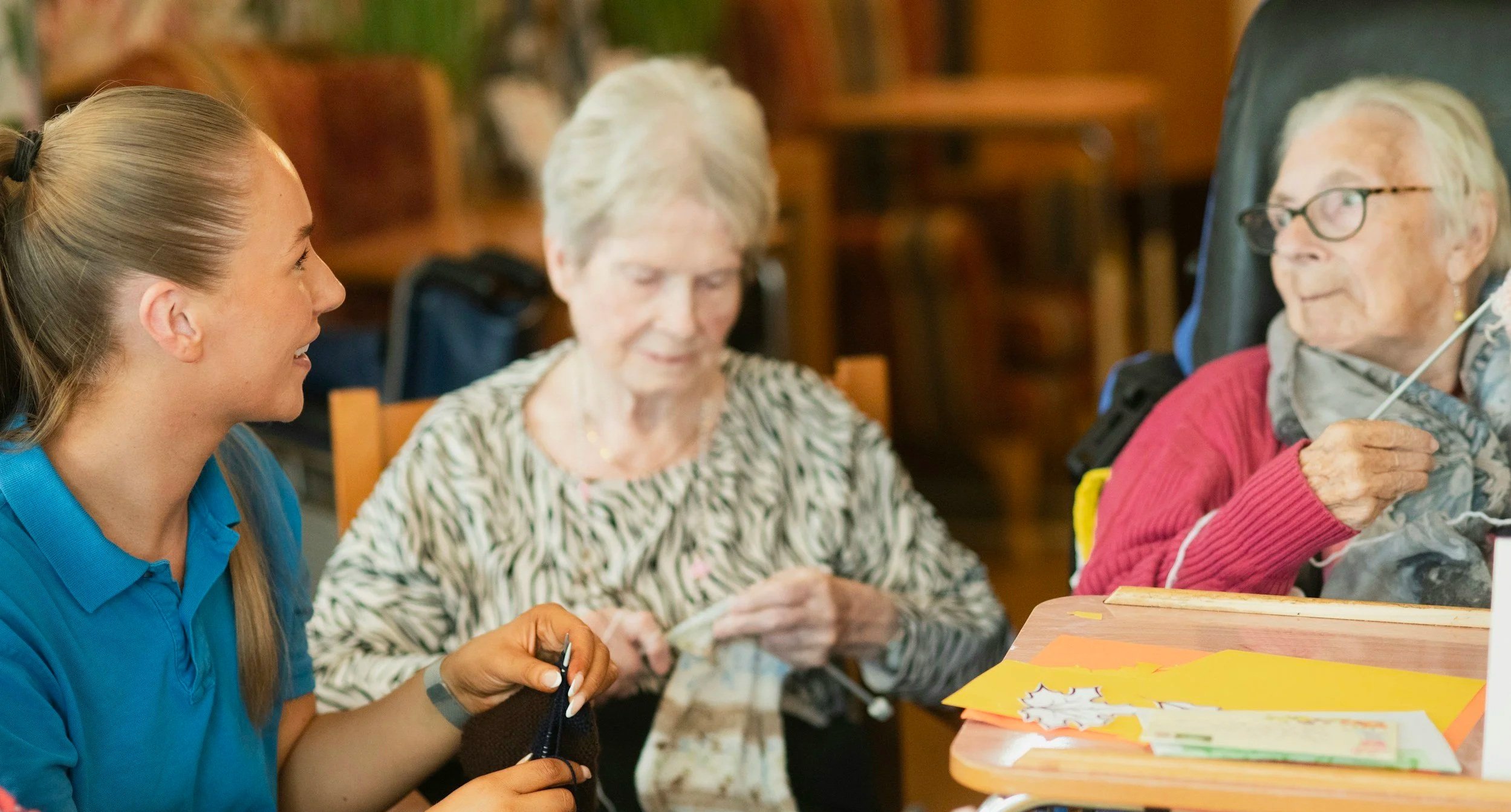
National Caregivers Month provides an important reminder that caregivers need additional support and recognition for their contributions. Dividing caregiving responsibilities, connecting with community supports, having access to respite care, and having flexibility in jobs are all factors that can contribute to wellbeing among caregivers. If you know a caregiver, give them some recognition because caregiving can be as draining as it is fulfilling and they need support too.
References:
Administration for Community Living. (n.d.). Recognize, Assist, Include, Support, & Engage (RAISE) Family Caregivers Act Advisory Council. U.S. Department of Health and Human Services. https://acl.gov/programs/support-caregivers/raise-family-caregiving-advisory-council
AARP & National Alliance for Caregiving. (2025). Caregiving in the U.S. 2025. AARP. https://doi.org/10.26419/ppi.00373.001
Caregiver Action Network. (n.d.). Caregiver Action Network. https://www.caregiveraction.org/
Freydkin, D. (2026, November 16). ‘Sister’ sketch from ‘SNL’ exposes a long-known truth: The imbalance of family caregiving. AARP. https://www.aarp.org/caregiving/life-balance/snl-sister-sketch/ Rosalynn Carter Institute for Caregivers. (2024, January 16). Working while caring offers vision for the future of work. https://rosalynncarter.org/working-while-caring-offers-vision-for-the-future-of-work/