Managing ADHD For Kids During the Summer
Summer break brings longer days, warm sun, and opportunities for leisure and revitalization without the demands of school routines and responsibilities. For children and teens with attention-deficit/hyperactivity disorder (ADHD), the sudden loss of structure and schedule predictability can bring about unique challenges. According to the Diagnostic and Statistical Manual of Mental Disorders 5th Edition (DSM 5), ADHD is a neurodevelopmental disorder that is characterized by a “persistent pattern of inattention and/or hyperactivity-impulsivity that interferes with functioning or development” (American Psychiatric Association, 2013). This means that kids with ADHD may struggle with things like planning and organization, forgetfulness, and restlessness due to differences in brain structure and neurotransmitters (Curatolo et al., 2010). Without the structure and accountability of school, these challenges are often aggravated.
Parents and guardians that are concerned about undiagnosed or untreated ADHD should consult with a trained clinician and/or psychiatric prescriber about ways to manage ADHD symptoms. Psychotherapy and medication are both proven methods to effectively treat symptoms (Ojinna et al., 2022). Early diagnosis and intervention is associated with better long term health outcomes (Tine Bodil Houmann et al., 2023).
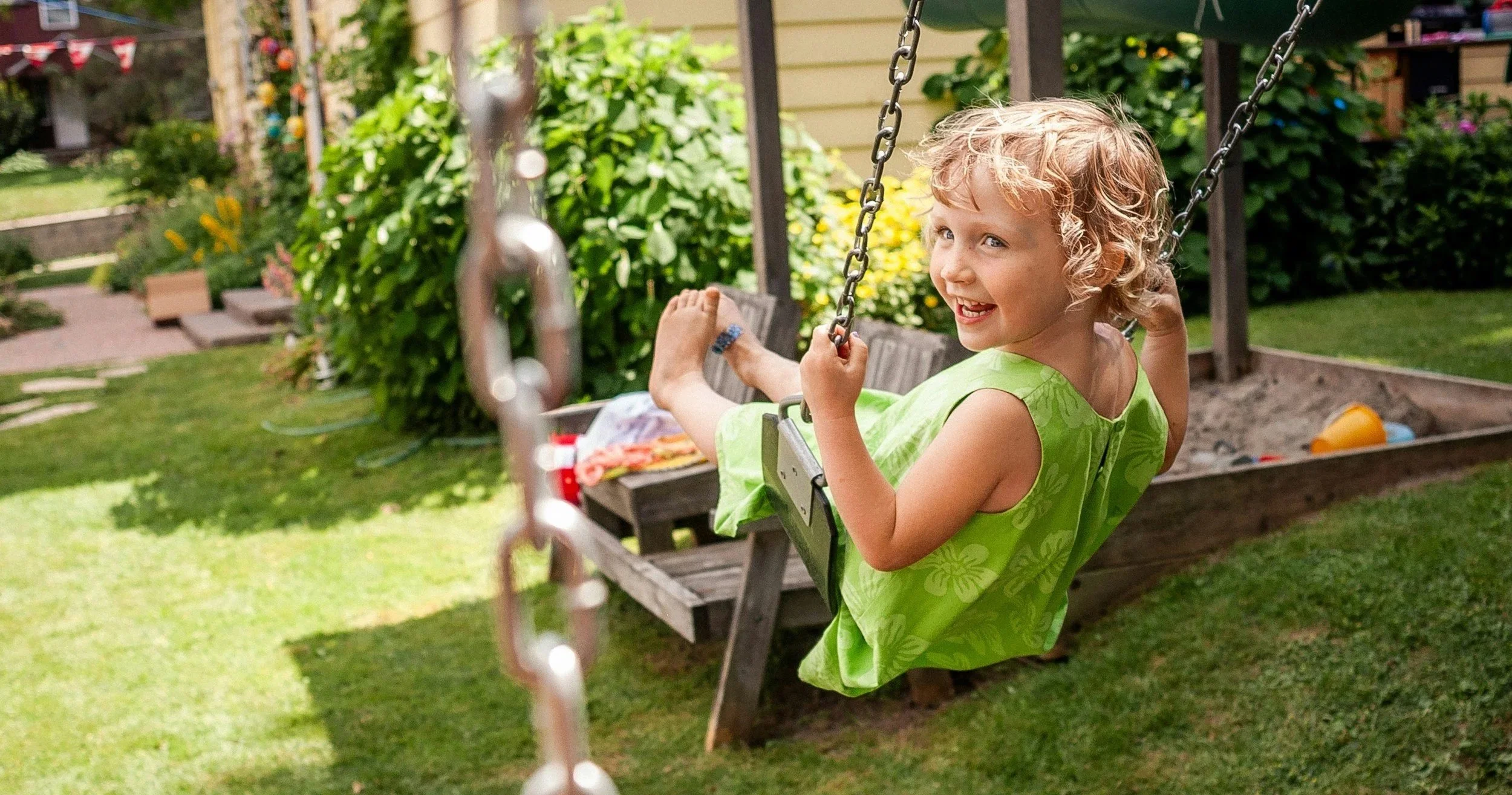
There are several ways outside of the therapy office that parents and guardians can support kids living with ADHD throughout the summer. Below are some ideas to make the most of the long break:
Maintain a Consistent Schedule
Structured or semi-structured routines and predictable schedules are beneficial for kids that have difficulty with planning, managing time, and disorganization. Keeping important routines such as bed times and meal times consistent can help compensate for these challenges. Consistent schedules may also help prevent stress and overwhelm during transitions while encouraging impulse control and mastery of daily activities.
Planned Activities and Physical Outlets
Planned enjoyable activities and physical outlets can help kids burn off excess or hyperactive energy. Building activities such as visiting a playground, dancing, or a game of tag into the daily schedule are fun ways to channel extra energy. Structured activities such as team sports also promote organization, problem solving, and self control skills.
Limit Choices
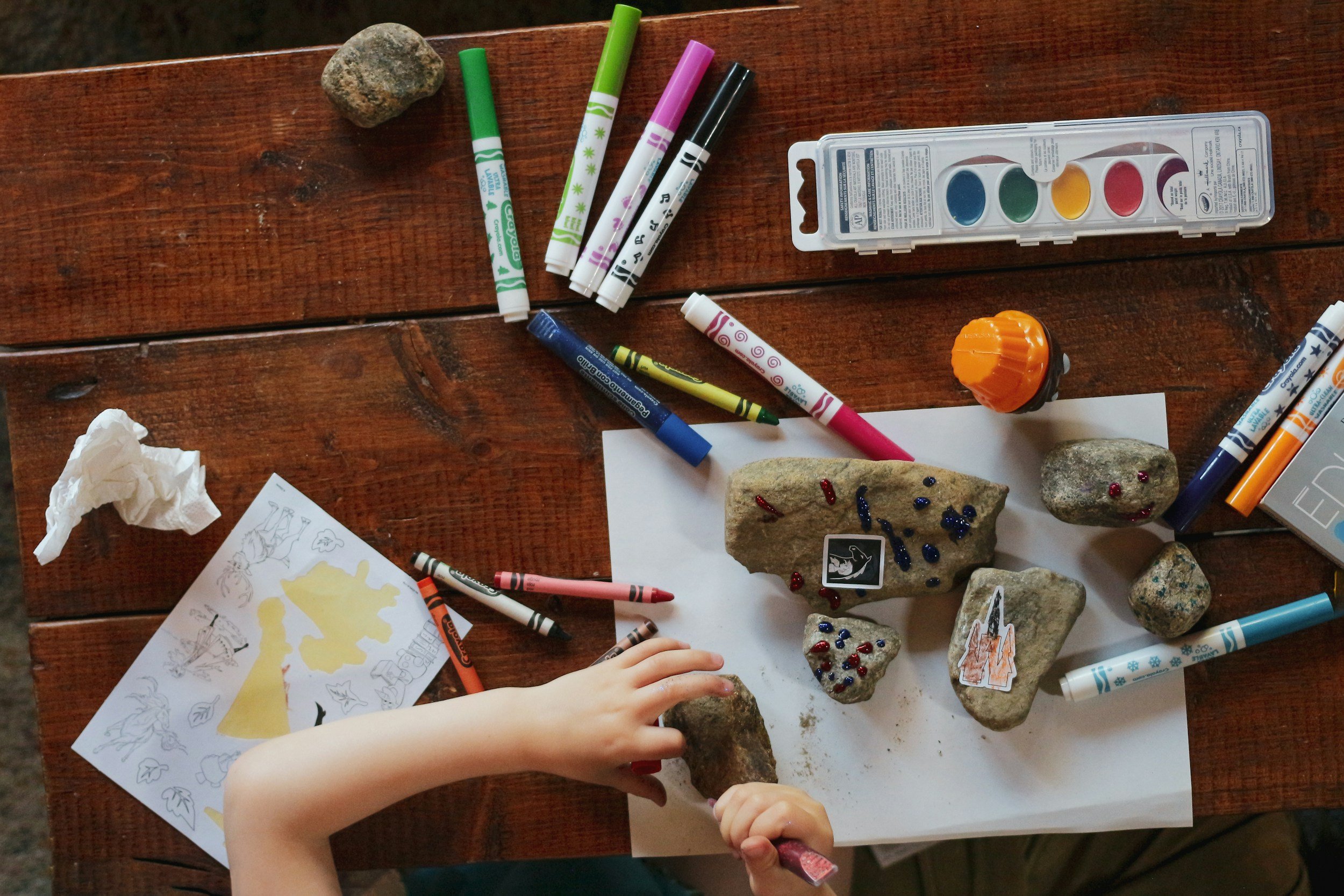
Kids with ADHD struggle with executive functioning and may have difficulty making decisions. Providing limited options for things such as meals and leisure activities can reduce the stress of picking from many choices. Offering two or three things to choose from instead of endless options can prevent feelings of overwhelm.
Physical Health
Adequate sleep and nourishment are essential for kids living with ADHD. Poor sleep quality or too little sleep can have negative impacts on children’s executive functioning and may exacerbate symptoms. Similarly, inadequate nutrition or dips and spikes in blood sugar may also worsen attention and concentration. Consistent sleep and meal times are important in managing physical health.
Mood and Emotion Regulation Skills
Kids with ADHD often struggle with emotion regulation and impulsive behavior. Parents and guardians can practice behavioral strategies and skills such as box breathing, labeling emotions, and using the five senses for grounding with their kids to help regulate strong emotions. Adults may also consider learning about and using DBT skills to help kids with emotion regulation. DBT.tools is an easy to use resource. Regularly practicing emotion regulation skills even when a child is not dysregulated will help them remember to use the skills in times of distress.
Behavioral Strategies
Utilizing behavioral strategies can be very beneficial in overcoming the challenges associated with ADHD. Effective strategies include using a planner or calendar to manage dates and events, breaking up challenging or overwhelming tasks or chores into smaller steps, timers and alarms to keep track of time, visual aids and charts for chores and other expectations, and rewards and consequences systems.
Brush Up on School Skills
Summer is a time for fun and relaxation, but kids with ADHD may be particularly vulnerable to losing academic skills from the previous year over the break. Practicing skills such as times tables, long division, reading, and writing can help kids feel confident and prepared when the new school year starts. Keep kids interested in practicing academic skills by making activities engaging, rewarding, and short in duration.
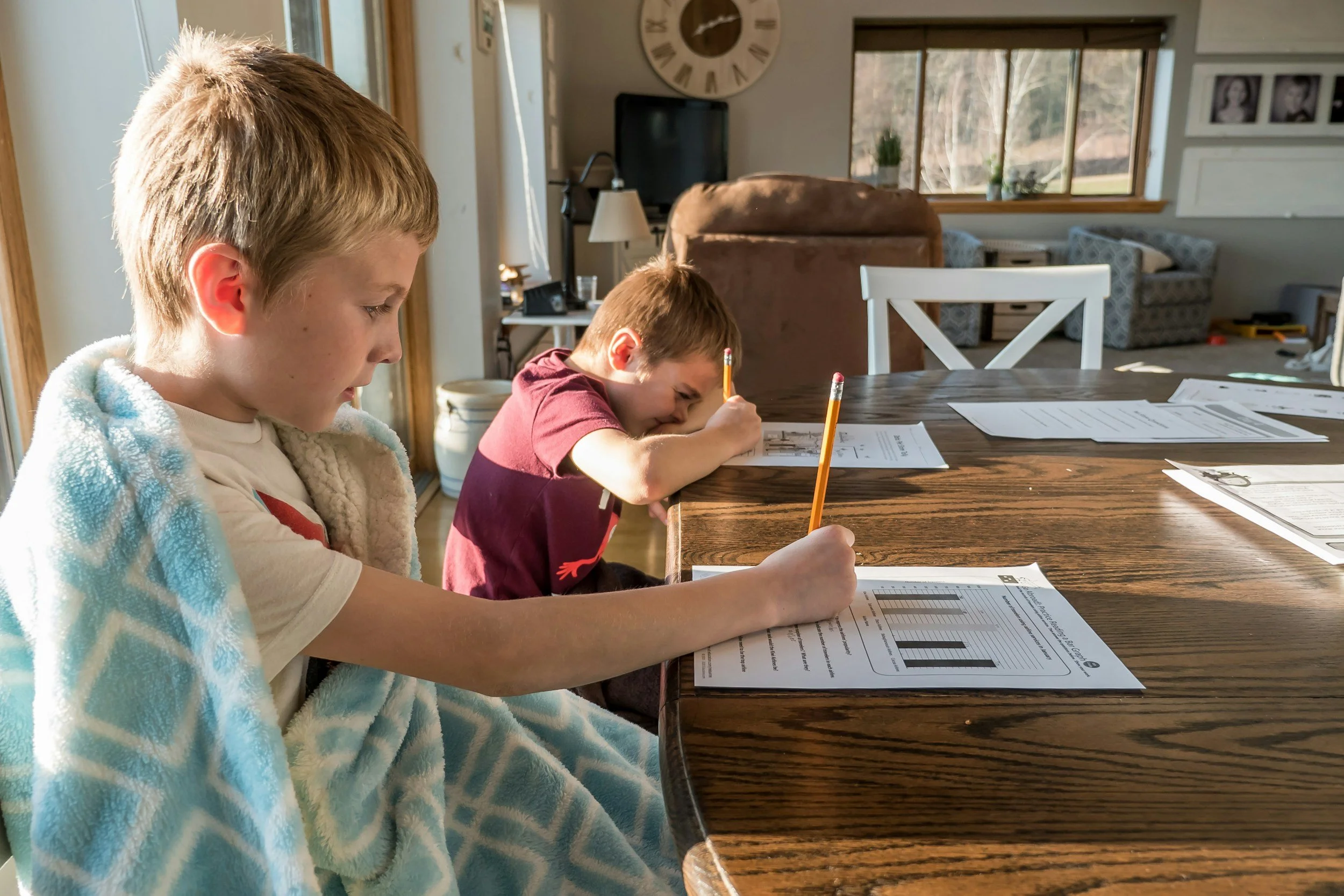
Successfully managing ADHD symptoms over the summer is equal parts structure and self-care for both guardian and child. Establishing and maintaining routine, making physical activity and health a priority, and keeping school skills fresh can help create a low stress summer break!
By Kelsey Kirk, LLP
References
American Psychiatric Association. (2013). Diagnostic and statistical manual of mental
disorders(5th ed.). Pearson.
Curatolo, P., D’Agati, E., & Moavero, R. (2010). The neurobiological basis of ADHD. Italian
Journal of Pediatrics, 36(1), 79. https://doi.org/10.1186/1824-7288-36-79
Ojinna, B. T., Parisapogu, A., Sherpa, M. L., Choday, S., Ravi, N., Giva, S., Shantha Kumar, V.,
Shrestha, N., Tran, H. H.-V., & Penumetcha, S. S. (2022). Efficacy of Cognitive
Behavioral Therapy and Methylphenidate in the Treatment of Attention Deficit
Hyperactivity Disorder in Children and Adolescents: A Systematic Review. Cureus,
14(12). https://doi.org/10.7759/cureus.32647
Tine Bodil Houmann, Kaalund-Brok, K., Clemmensen, L. B., Morten Aagaard Petersen, Kerstin
Jessica Plessen, Niels Bilenberg, Verhulst, F. C., & Jeppesen, P. (2023). Early treatment
response as predictor of long-term outcome in a clinical cohort of children with ADHD.
European Child & Adolescent Psychiatry. https://doi.org/10.1007/s00787-023-02158-z