The Problem Isn’t the Person, It’s the Alarm System
Understanding why trauma responses make sense, even when they feel frustrating
Many of us carry experiences that continue to shape us long after they happen. Stress, loss, uncertainty, grief, difficult memories, and traumatic events can change how we see ourselves and the world. No matter when they occurred, their effects can surface unexpectedly in our relationships, emotions, and bodies, influencing the way we move through life.
Trauma doesn’t always look the way people expect it to. It can show up as anxiety, avoidance, irritability, distrust, feeling constantly on edge, or feeling disconnected from yourself and others. Most importantly, these responses make sense.

In recognition of PTSD Awareness Day, one of the things I wish more people understood about Post-Traumatic Stress Disorder (PTSD) is that trauma responses often develop for a reason. They may not feel logical or helpful, and they may even be frustrating. But they did not appear out of nowhere.
Trauma is not defined only by what happened. It is shaped by how we experienced the event, the support we received afterward, and whether we were able to regain a sense of safety. PTSD is a mental health condition that can develop after experiencing or exposure to trauma. It occurs when trauma-related symptoms persist and begin to interfere with daily life, relationships, work, or a person’s sense of security. PTSD can follow a single traumatic event or repeated trauma over time. While not everyone who experiences trauma develops PTSD, trauma can affect how we think, feel, connect with others, and move through the world.
One of the biggest misconceptions about PTSD is that people should simply “move on” or “get over it.” In reality, PTSD is not a sign of weakness or an inability to cope. More often, it is the result of a nervous system that learned how to survive something difficult and continues trying to protect us, even after the danger has passed.
When I explain PTSD to clients, I often describe it as an alarm system problem. Imagine your home experienced a devastating fire. Afterwards, you would want a smoke detector that works. In fact, you might want one that is extra sensitive. The problem comes when that detector begins sounding the alarm every time someone burns toast. PTSD can work in a similar way.
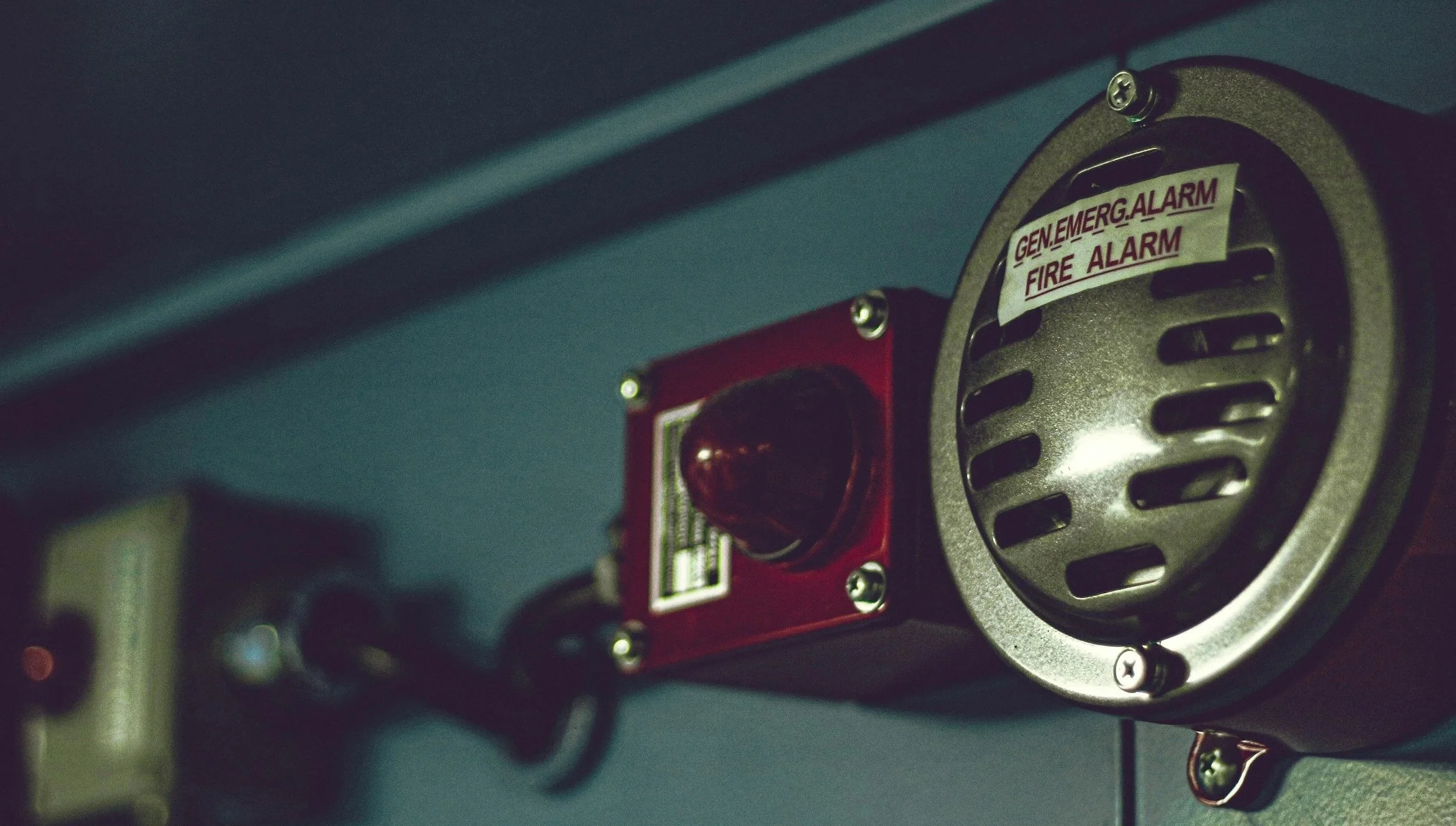
The brain’s alarm system, called the amygdala, becomes more sensitive after trauma. Its job is to detect danger and keep us safe. Another area of the brain, the hippocampus, acts like a reference guide, helping us sort through memories and determine whether something is truly dangerous or simply reminds us of an experience. The prefrontal cortex, often called the brain’s thinking center, helps us evaluate situations, make decisions, and respond thoughtfully rather than react automatically.
After trauma, this system can become disrupted. The alarm may activate more quickly, the reference guide may struggle to distinguish between past and present danger, and the thinking center can have a harder time doing its job when emotions are running high. As a result, the body can react as though a threat is happening now, even when the traumatic event occurred long ago.
This is not a sign that someone is weak or “overreacting.” It is a sign that the brain learned how to survive something difficult and is working overtime to prevent it from happening again. Trauma survivors may experience hypervigilance, avoidance, numbness, irritability, distrust, or feeling constantly on guard. These are not character flaws. They are survival responses.
PTSD doesn’t just affect the brain. It can affect the body and relationships as well. Some people experience muscle tension, headaches, difficulty sleeping, fatigue, nightmares, or feeling easily startled. In relationships, hypervigilance may look like mistrust, avoidance may look like withdrawal, and emotional numbness can make it difficult to feel connected, even with people we deeply love.

The good news is that healing is possible.
Grounding techniques such as breath work, the 5-4-3-2-1 method, noticing physical sensations, or connecting with supportive people can help remind the nervous system that it is in the present moment and safe enough to slow down. These skills do not erase trauma, but they can help bring us back to the here and now when the alarm system becomes activated. Over time, small moments of safety, connection, and self-compassion can help support the healing process.
For loved ones, one of the most helpful things you can do is approach trauma responses with curiosity rather than judgment. Instead of asking, “Why are they reacting this way?” try asking, “What might their nervous system be trying to protect them from?”
“Resilience is not the absence of struggle, but the ability to rise after each challenge, embracing the lessons learned to grow stronger and more compassionate”

Every day, I have the privilege of witnessing that resilience firsthand. Healing is rarely linear, but it is possible.
If you or someone you love is struggling with symptoms related to trauma, know that you do not have to navigate it alone. There are many evidence-based treatments that can help people process trauma and teach the nervous system that the danger has passed. Reach out to a trauma-informed mental health professional or talk with your primary care provider. For those in Genesee County, support is available through Genesee Health System’s Behavioral Health Urgent Care and Mobile Crisis Team by calling 810-257-3740 or texting GHS to 934688. If you or someone you know is experiencing a mental health crisis, call or text 988 for immediate support.
Jessica Towne, LLMSW, PsyM.
Trauma-Focused Clinical Therapist